
Introduction
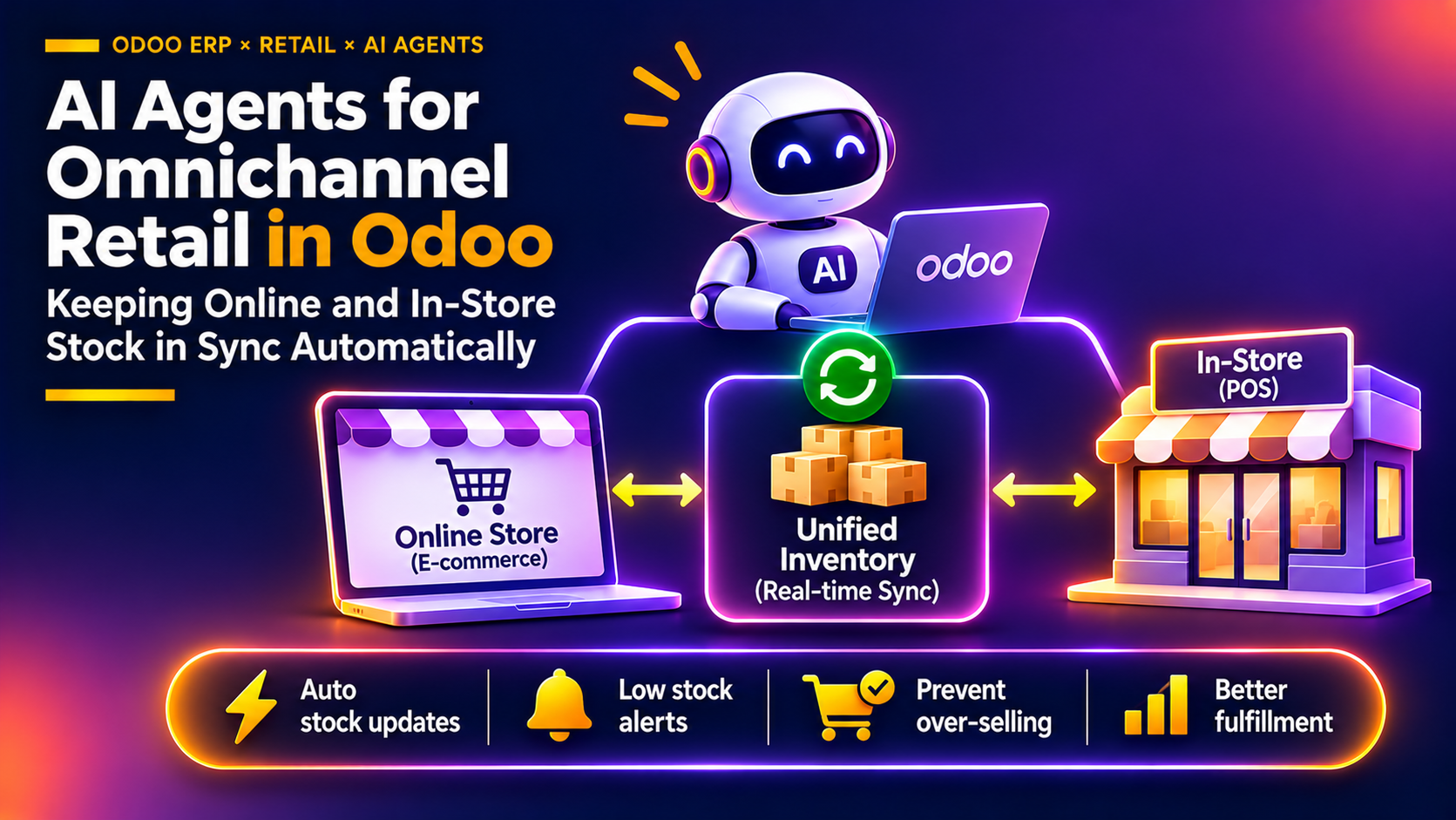
A product showing as in stock online while the last unit just sold in-store — or the reverse, stock sitting on a shelf while the website shows it unavailable — isn't really a demand forecasting failure. It's a visibility failure: two channels drawing from the same inventory without a shared, current picture of what's actually left. For a retailer running both a physical store and an online channel, this is one of the most common, most avoidable sources of lost sales and customer frustration.
Why This Keeps Happening Even With “Connected” Systems
Many retail setups technically connect a POS system to an online store, but “connected” often means a periodic sync — inventory counts updated every few minutes or on a schedule, not instantly. In the gap between syncs, a fast-moving item can oversell online after it's already gone in-store, or a return processed in-store takes time to reflect as available stock online. The connection exists; the timing gap is where the problem actually lives.
Where an AI Agent Fits In
On a genuinely connected platform — where POS and online orders write to the same Odoo database rather than syncing between two separate systems — an AI agent can go further than real-time counts alone: it can flag a SKU trending toward a cross-channel conflict before it happens, based on the velocity of sales across both channels, and suggest a reallocation (holding back the last few in-store units from the website, for instance) before a stockout actually occurs. Asked directly, “which products are at risk of overselling across channels this week” is exactly the kind of cross-module question this blog's broader look at AI agents in inventory describes.
What This Looks Like, Illustrated
Illustrative example for explanatory purposes. Real flags depend on your own sales velocity and stock data.
Where a Person Still Decides
The agent flags the conflict and suggests a reallocation — a merchandiser or store manager still decides whether to act on it, especially for judgment calls like which channel a scarce item should prioritize during a promotion. The value is surfacing the risk while there's still time to act, not automating the allocation decision itself.
Ready to Try It?
Curious how your own cross-channel stock risk looks right now? Book a Free Demo at hirebeans.cloud.
Book a Free Demo