
The Jigsaw Puzzle of Production
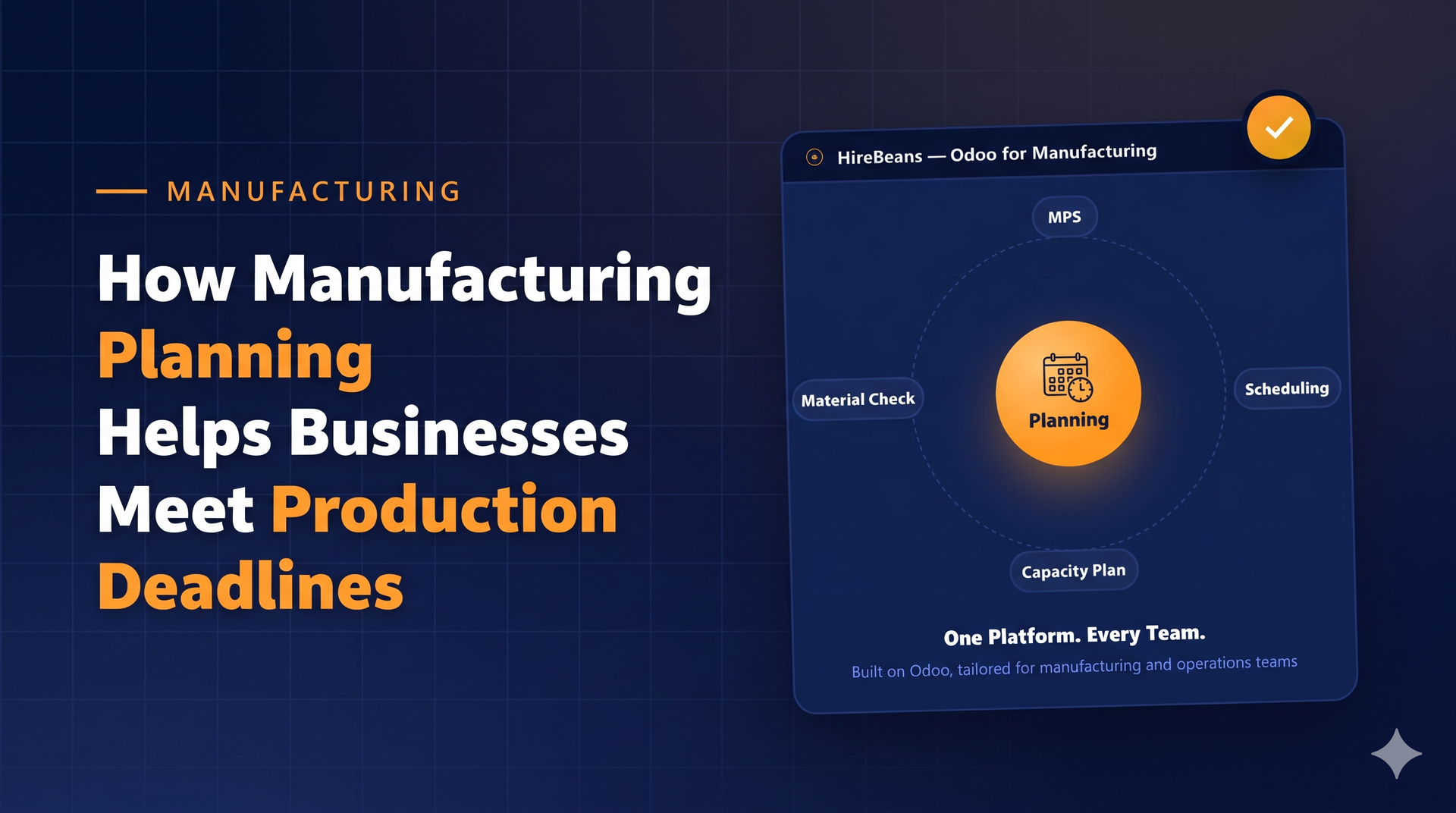
Successfully running a manufacturing business is much like solving a complex, ever-changing jigsaw puzzle. You must constantly coordinate fluctuating customer demand, unpredictable raw material availability, finite production capacity, and strict delivery commitments. Manufacturing planning is the strategic orchestration of these elements, ensuring that your factory is working on the right products at exactly the right time.
The High Cost of Poor Scheduling
Without robust production scheduling, factories quickly fall victim to operational gridlock. Common challenges include severe scheduling conflicts where two orders demand the same machine simultaneously, unexpected machine downtime derailing entire weeks, and urgent, high-priority customer orders throwing existing plans into disarray. This lack of production capacity planning overloads production teams, causes extreme stress, and inevitably leads to missed deadlines and lost contracts.
Key Features: Master Scheduling with ERP Software
A Practical Business Example
Imagine a custom bicycle manufacturer trying to fulfill five large wholesale orders with varying delivery deadlines. By leveraging manufacturing ERP software, the production planner can use the system's scheduling features to prioritize the earliest deadline. The system immediately flags that the painting work center will exceed capacity next Tuesday. The planner can proactively shift one of the lower-priority orders to Wednesday or authorize overtime, ensuring all deadlines are met without causing a last-minute crisis.
Conclusion
Effective manufacturing planning transforms a reactive, chaotic environment into a proactive, predictable operation. While scheduling tools cannot eliminate every real-world delay, balancing production capacity with demand allows businesses to navigate disruptions intelligently and protect their customer relationships.
Take control of your production schedules today. Book a Free Demo at hirebeans.cloud
Book a Free Demo