
Introduction
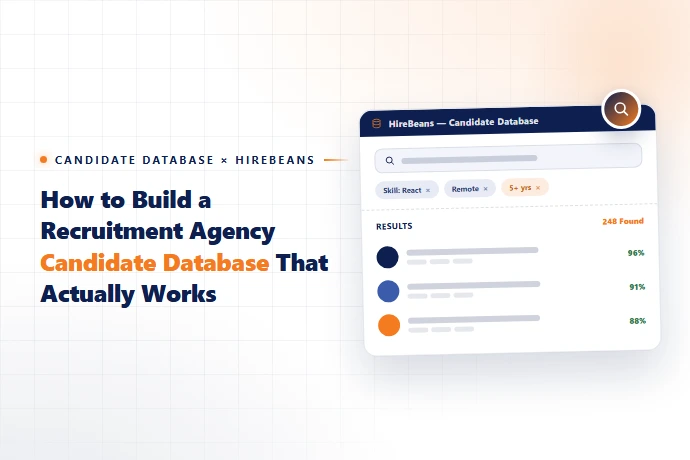
A recruitment agency's candidate database can be one of its most valuable assets — but only if recruiters can actually find and use the right candidates when a new vacancy arrives.
A database filled with CVs isn't enough. A useful recruitment candidate database should help your team understand candidates, organize talent, and quickly rediscover people who may be suitable for future roles.
What Should a Recruitment Candidate Database Include?
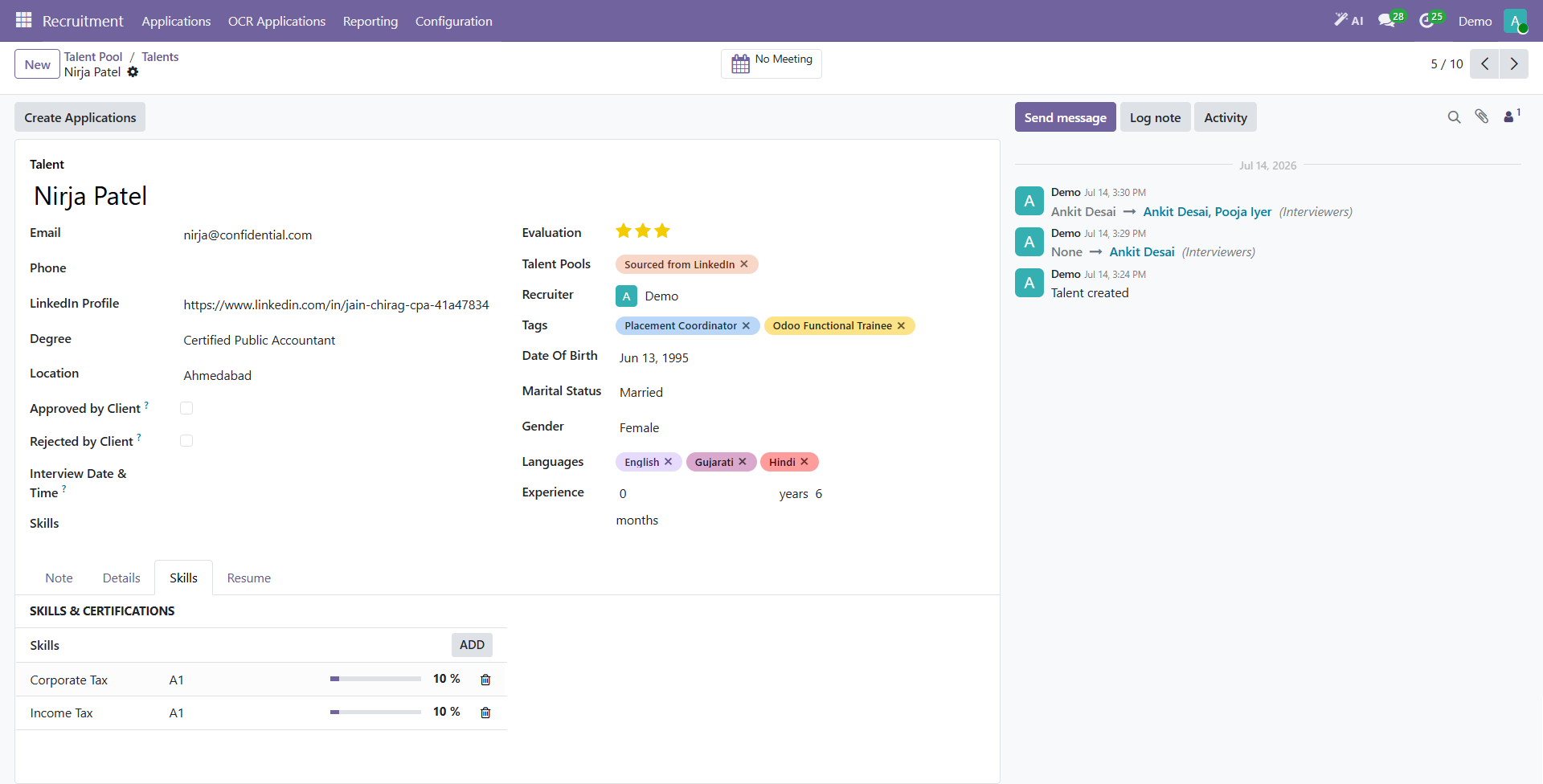
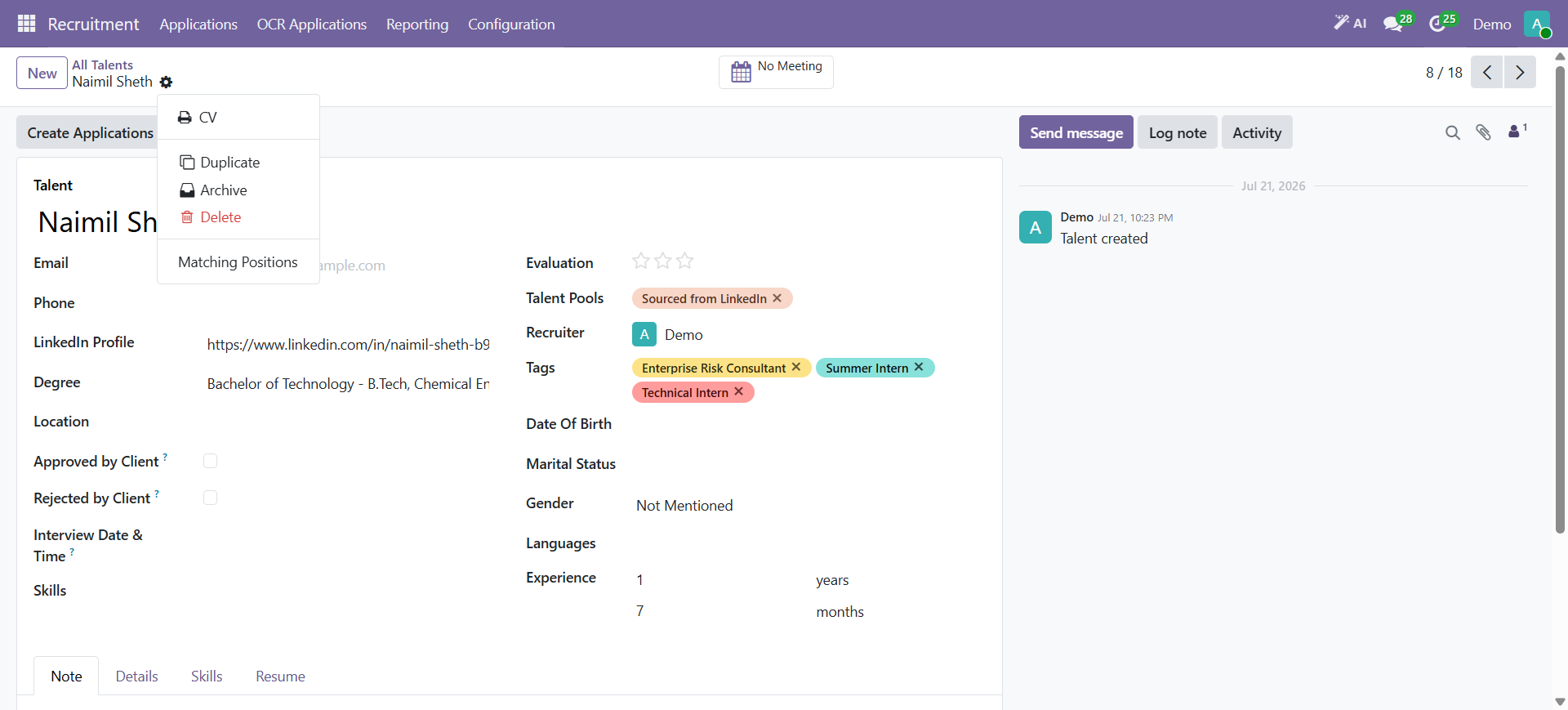
- ✓A strong candidate database should contain more than a candidate's name and CV. Useful candidate information can include:
- ✓Skills and areas of expertise
- ✓Work experience
- ✓Location and availability
- ✓Salary expectations
- ✓Contact details
- ✓Certifications
- ✓Previous applications
- ✓Interview notes
- ✓Communication history
- ✓Recruitment status
- ✓The goal is to create a complete candidate profile that recruiters can understand without searching through multiple spreadsheets, emails, or systems — one of the clearest signs it's time to outgrow spreadsheets.
Why Candidate Search and Rediscovery Matter
- ✓Recruiters shouldn't have to start from zero every time a new vacancy arrives.
- ✓A candidate who wasn't suitable for one role may be an excellent match for another six months later. That's why candidate rediscovery is becoming an important part of modern recruitment workflows.
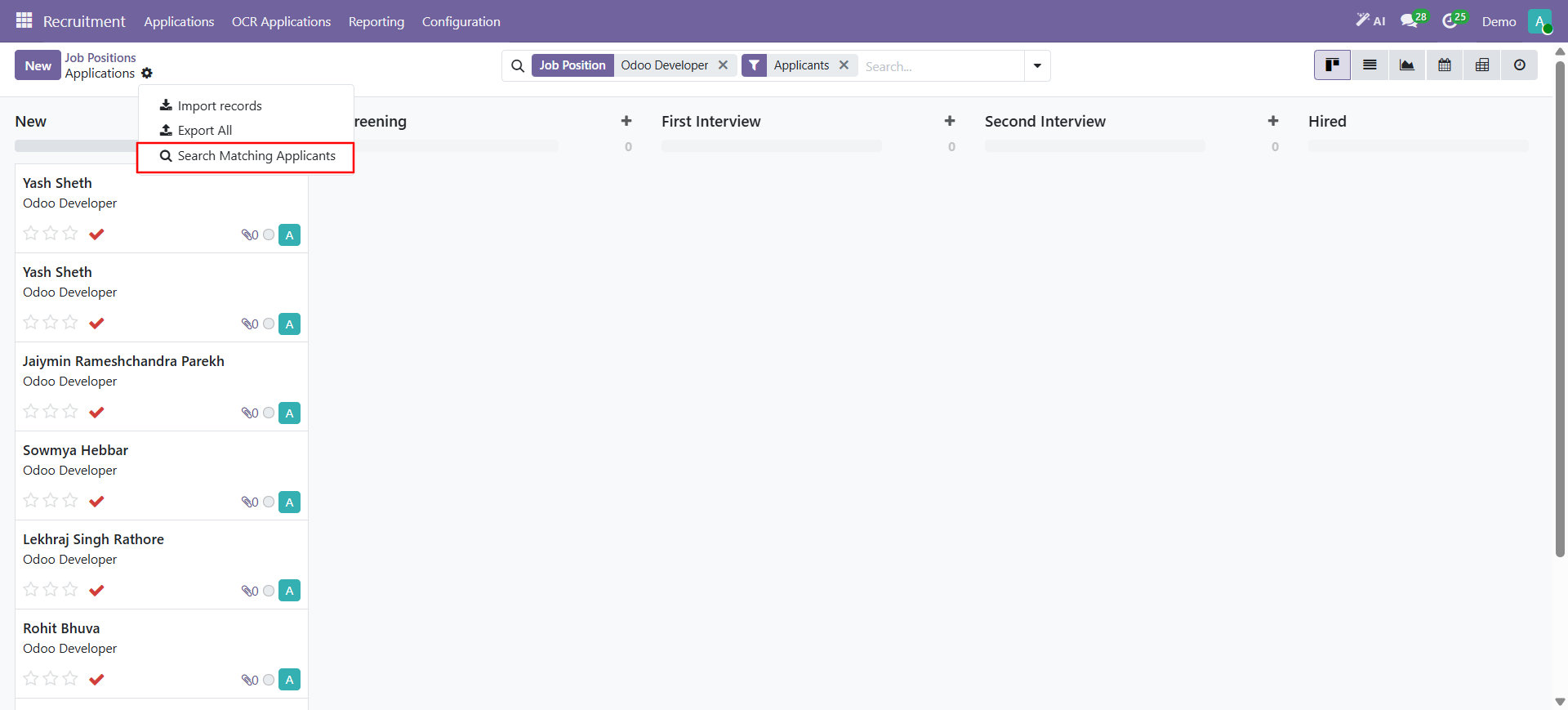
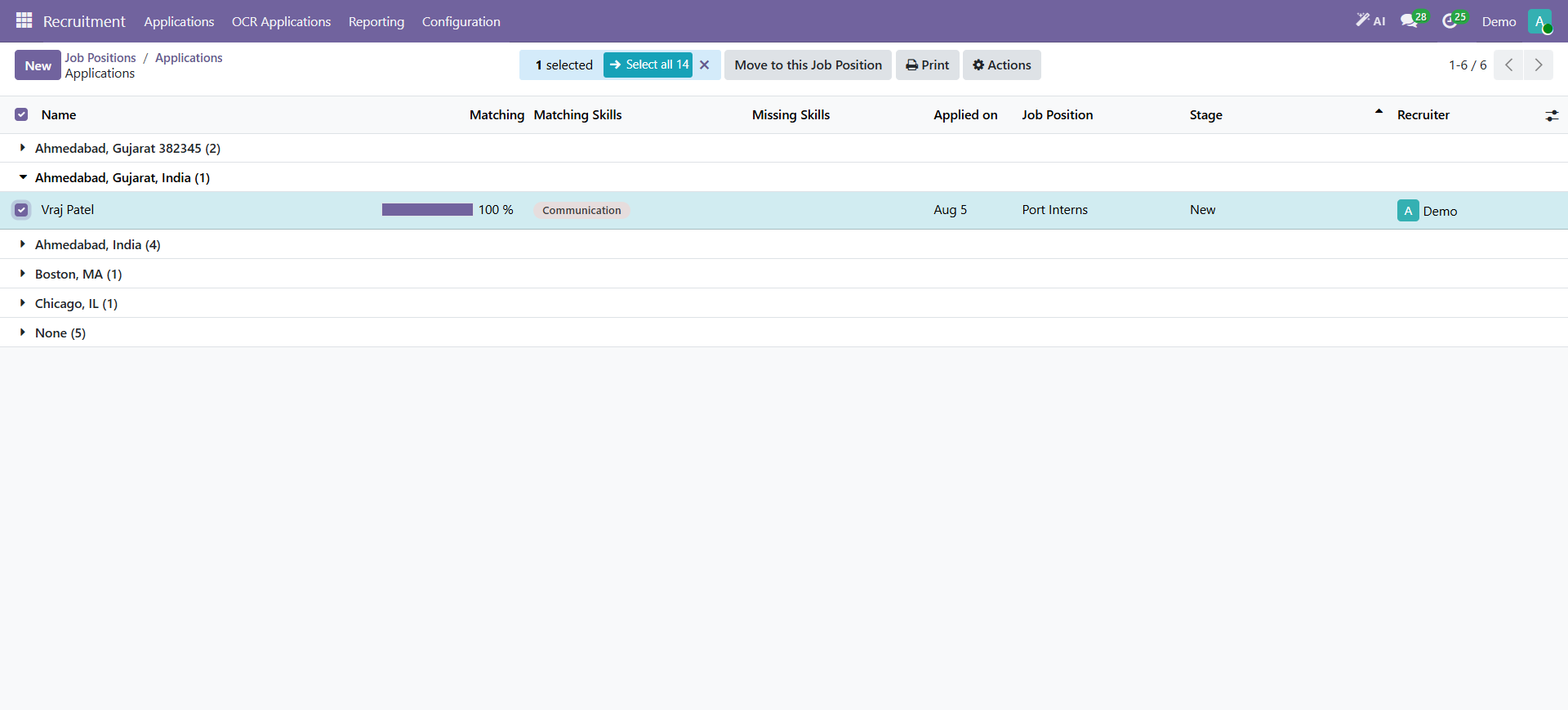
- ✓Instead of repeatedly searching job boards or starting a completely new sourcing process, recruiters can search their existing talent pool using relevant skills, experience, location, availability, and other criteria — matched directly against a client's open requirement.
- ✓Modern recruitment platforms increasingly provide tools for searching past applicants and prospects for current vacancies, making existing talent pools more useful.
How to Keep Your Candidate Database Useful
- ✓A candidate database becomes more valuable when it is regularly maintained. Recruitment teams should:
- ✓Keep candidate information updated. Update availability, skills, contact information, and recruitment status when circumstances change.
- ✓Use consistent candidate data. Standardized fields and tags make searching and filtering easier.
- ✓Record recruitment activity. Notes, interviews, submissions, and communication history provide important context for future opportunities — see how agencies track candidate submissions more effectively.
- ✓Make search easy. Recruiters should be able to find relevant candidates without manually opening hundreds of CVs.
How HireBeans Can Help
HireBeans brings candidate management into a broader recruitment workflow, helping agencies organize candidate information and manage recruitment activity from one platform. AI-powered CV parsing keeps new profiles structured and searchable from the moment they enter the database, and AI-assisted shortlisting helps recruiters rediscover the right candidates faster.
The real value of a candidate database isn't the number of profiles it contains. It's how quickly your recruiters can turn existing candidate data into the right shortlist for the next client requirement.
Final Takeaway
A recruitment agency candidate database should be more than digital storage for CVs. It should become a working talent pool that helps recruiters find, understand, engage, and rediscover candidates when the right opportunity appears.
When candidate information is structured, searchable, and connected to your recruitment workflow, your existing talent pool can become one of your agency's biggest competitive advantages.
See HireBeans' candidate database in action — book a demo
Book a Free Demo