
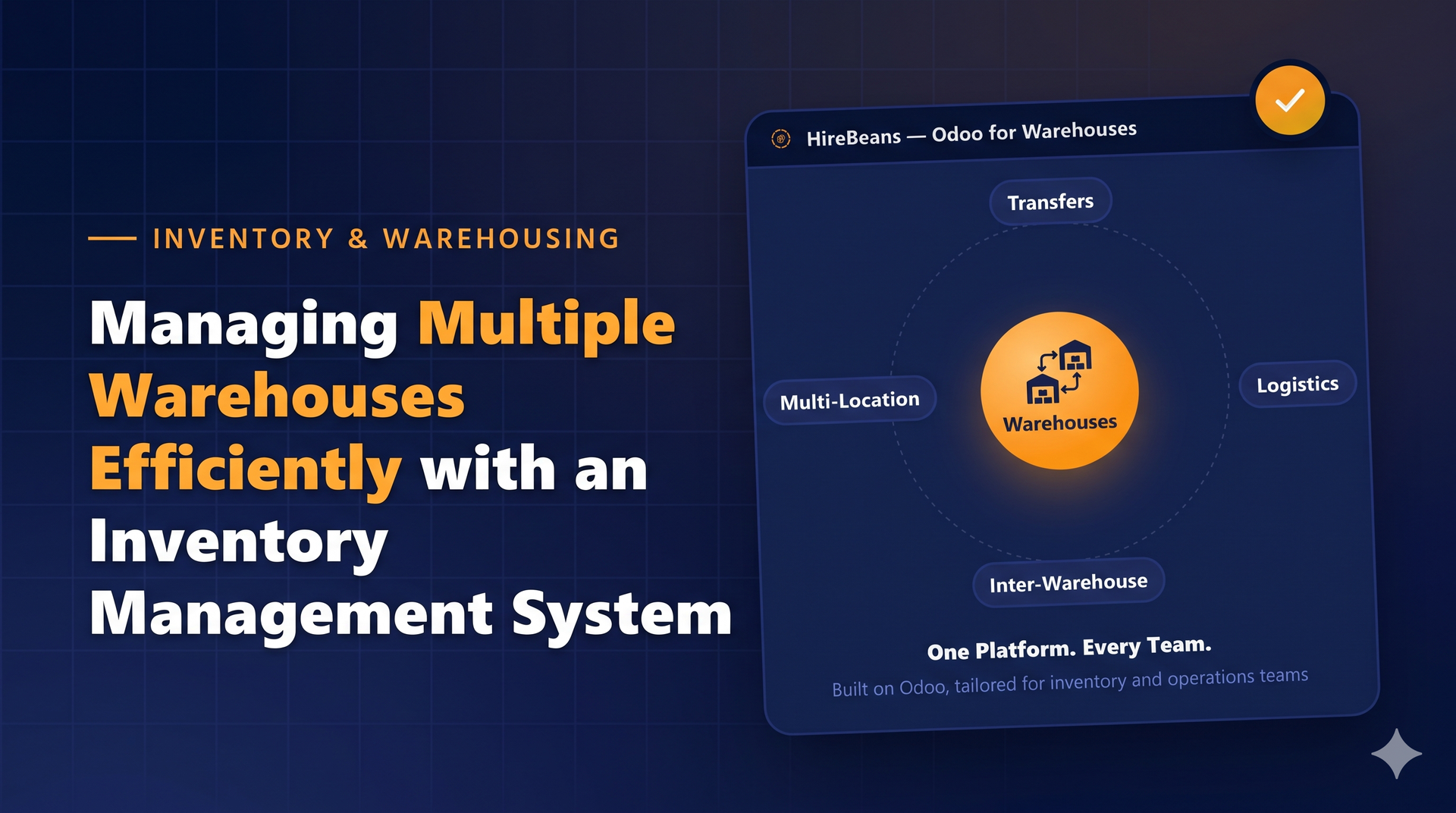
The Complexity of Multi-Location Logistics
Scaling a business across multiple warehouses, retail branches, or regional distribution centers brings significant operational complexity. While expanding storage capabilities is a sign of growth, managing that footprint requires sophisticated oversight. Without a centralized system, businesses struggle with tracking stock by exact location, making it difficult to know which facility holds the right products to fulfill an incoming order.
Challenges of Decentralized Inventory
When locations operate in silos, inefficiencies multiply. A company might desperately purchase a high-demand product for their East Coast warehouse, entirely unaware that the West Coast facility has a surplus gathering dust. Coordinating inter-warehouse transfers becomes a logistical nightmare of endless emails and phone calls. Furthermore, fulfilling customer orders from the wrong location unnecessarily inflates shipping costs and delays delivery times.
Key Features: Centralizing Multi-Warehouse Control
A Practical Business Example
Imagine a home goods retailer operating three warehouses in different cities. Using a structured inventory system, the management team can monitor stock availability across the entire network from a single dashboard. When the Chicago location runs dangerously low on a popular chair, the system quickly reveals that the Detroit warehouse has excess inventory. Instead of submitting a new purchase order to the manufacturer—which would take weeks—the team coordinates an internal transfer, balancing stock levels quickly and saving money.
Conclusion
Efficient multi-warehouse management relies heavily on centralized inventory visibility and disciplined execution. By properly configuring warehouse rules and ensuring clear user responsibilities, businesses can achieve true inventory optimization across their entire physical network.
Ready to unify your warehouse operations? Book a Free Demo at hirebeans.cloud
Book a Free Demo