
The Backbone of Business Spending
Effective procurement is about much more than just buying goods; it is about maintaining strict financial control while ensuring operational continuity. Purchase orders (POs) are the legally binding documents that outline exactly what your business is buying, in what quantities, and at what agreed price. A highly structured process for requesting, approving, and dispatching these documents is essential for any growing organization.
The Chaos of Manual Purchasing
When businesses rely on manual purchasing workflows—involving scattered email chains, printed forms, and handshake agreements—efficiency grinds to a halt. Manual purchase order management leads to duplicate orders, lost documentation, and agonizingly delayed managerial approvals. Furthermore, a lack of central visibility means accounting teams are frequently blindsided by invoices for outstanding commitments they knew nothing about, severely impacting cash flow forecasting.
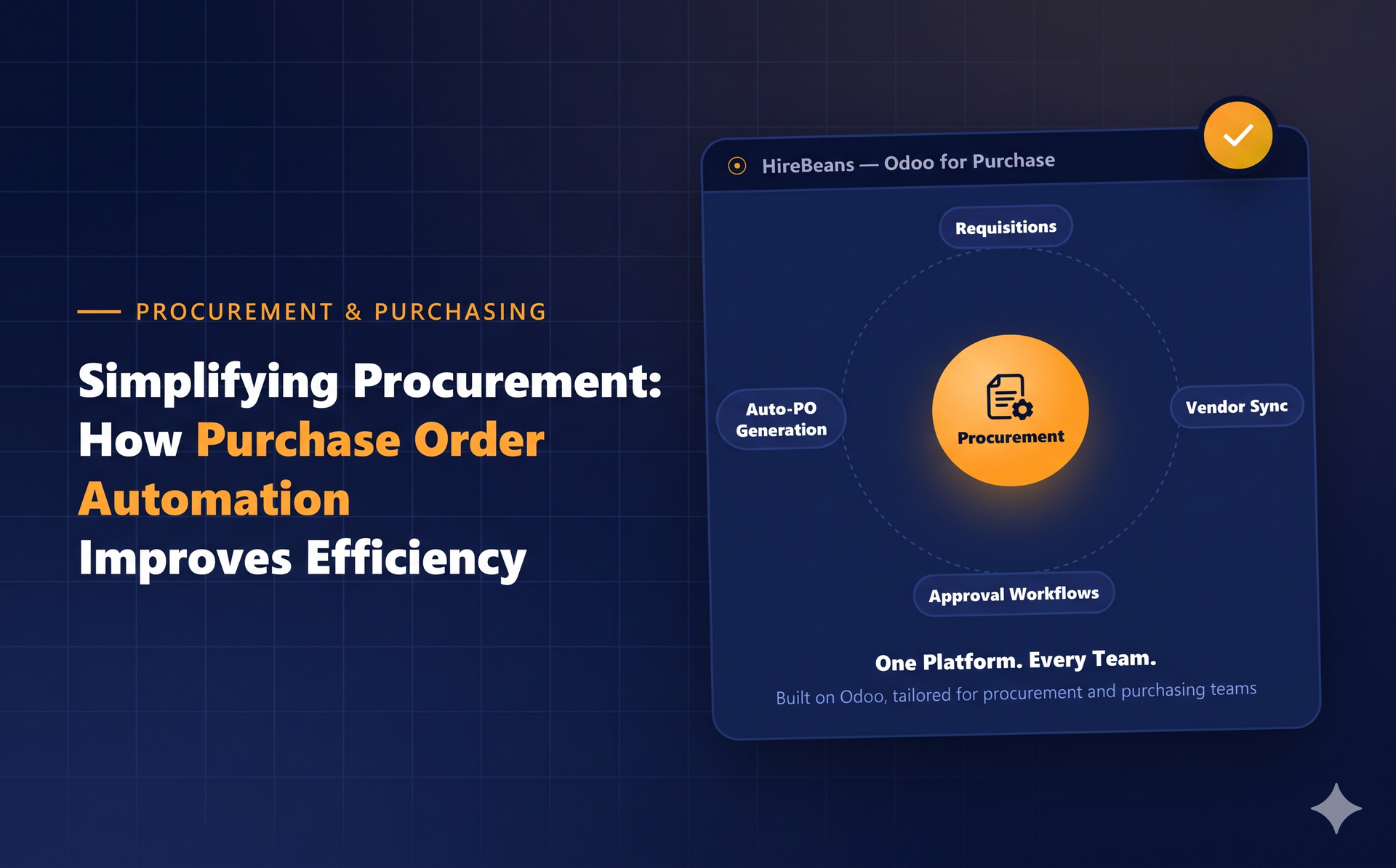
Key Features: Streamlining the Purchase Workflow
A Practical Business Example
A fast-growing manufacturing company regularly purchases diverse raw materials from a dozen different suppliers. Previously, floor managers would email purchasing requests, which often got lost in inboxes, resulting in material shortages. By implementing procurement management software, managers now submit requests directly in the system. The purchasing agent instantly converts these into RFQs, and once an amount exceeds $5,000, the system automatically pings the CFO for one-click approval. This structured purchasing workflow ensures organized records and perfectly coordinated inventory.
Conclusion
Purchase order automation drastically reduces the administrative burden on procurement teams while significantly improving financial accountability. By digitizing the workflow, companies can ensure every dollar spent is tracked, approved, and strategically aligned with business needs.
Ready to automate your purchasing approvals? Book a Free Demo at hirebeans.cloud
Book a Free Demo