
Introduction
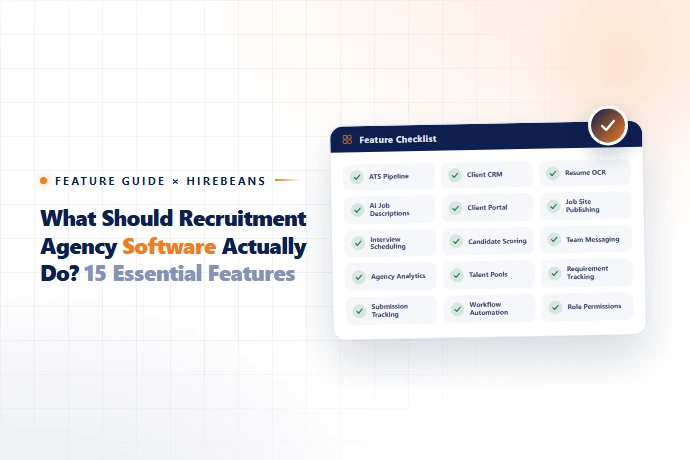
- ✓Choosing recruitment software isn't simply about finding somewhere to store resumes.
- ✓A recruitment agency manages clients, candidates, vacancies, submissions, interviews, follow-ups and placements — often at the same time. That's why the right recruitment software should support the agency's workflow, not just one part of it.
- ✓Here are 15 features recruitment agencies should consider when choosing a platform. If you'd rather see how a specific platform stacks up, see the 10 best ATS software options for recruitment companies in Canada or the best ATS for recruitment agencies in Egypt.
1. Candidate Database
A centralized candidate database should keep candidate profiles, contact information, experience, skills, resumes and recruitment history organized in one place. See how to build a recruitment agency candidate database that scales with your agency.
2. Candidate Search & Filtering
A large database is only valuable if recruiters can find relevant candidates quickly. Search and filtering should help recruiters narrow candidates based on useful recruitment criteria.
3. Vacancy & Requirement Management
Client requirements should become structured records containing information such as the position, client, skills, experience, location, status and assigned recruiter. See how job requirements and postings flow through the recruitment module.
4. Client Management
Recruitment agencies manage relationships as well as candidates. Client and contact management helps recruiters maintain important relationship information alongside recruitment activity.
5. Candidate-to-Vacancy Matching
Recruiters need an efficient way to identify candidates who may fit a particular requirement. Structured search can provide the foundation for more advanced matching capabilities.
6. Candidate Submission Tracking
Recruiters should be able to see which candidate was submitted, to which client, for which vacancy, when, and what happened next. See how recruitment agencies can track candidate submissions more effectively.
7. Interview Management
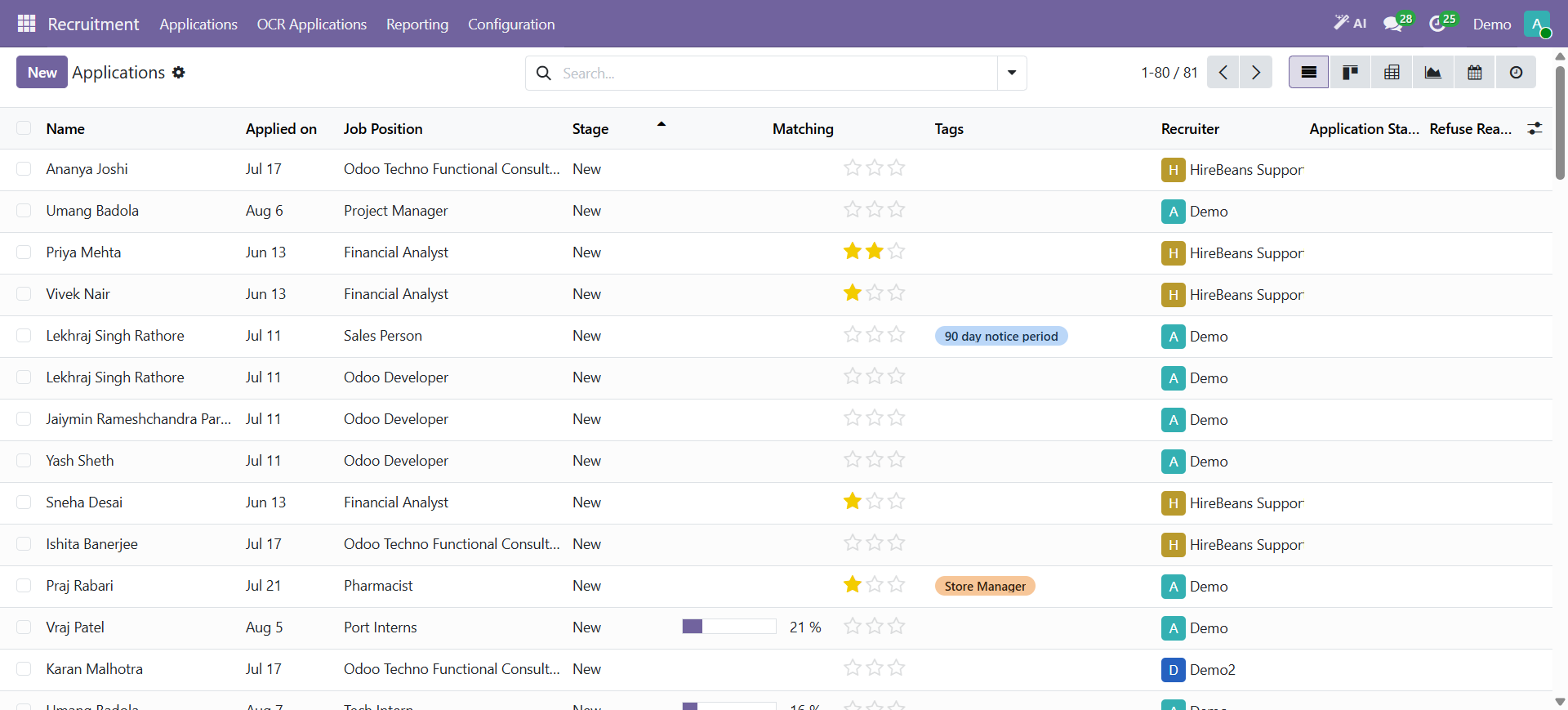
Interview dates, activities and candidate progress should remain visible so recruiters can coordinate the next stage without relying on separate notes. HireBeans handles this through built-in interview scheduling.
8. Client Feedback
A submission doesn't end when the profile is sent. Shortlisting, rejection, interview requests and other feedback should remain connected to the recruitment record.
9. Recruiter Activities & Follow-Ups
Calls, candidate follow-ups, client conversations and interview actions are easy to lose when they depend on individual notes. Structured activity tracking helps teams stay organized — see the full recruitment agency workflow, from client requirement to invoice.
10. Recruitment Pipeline
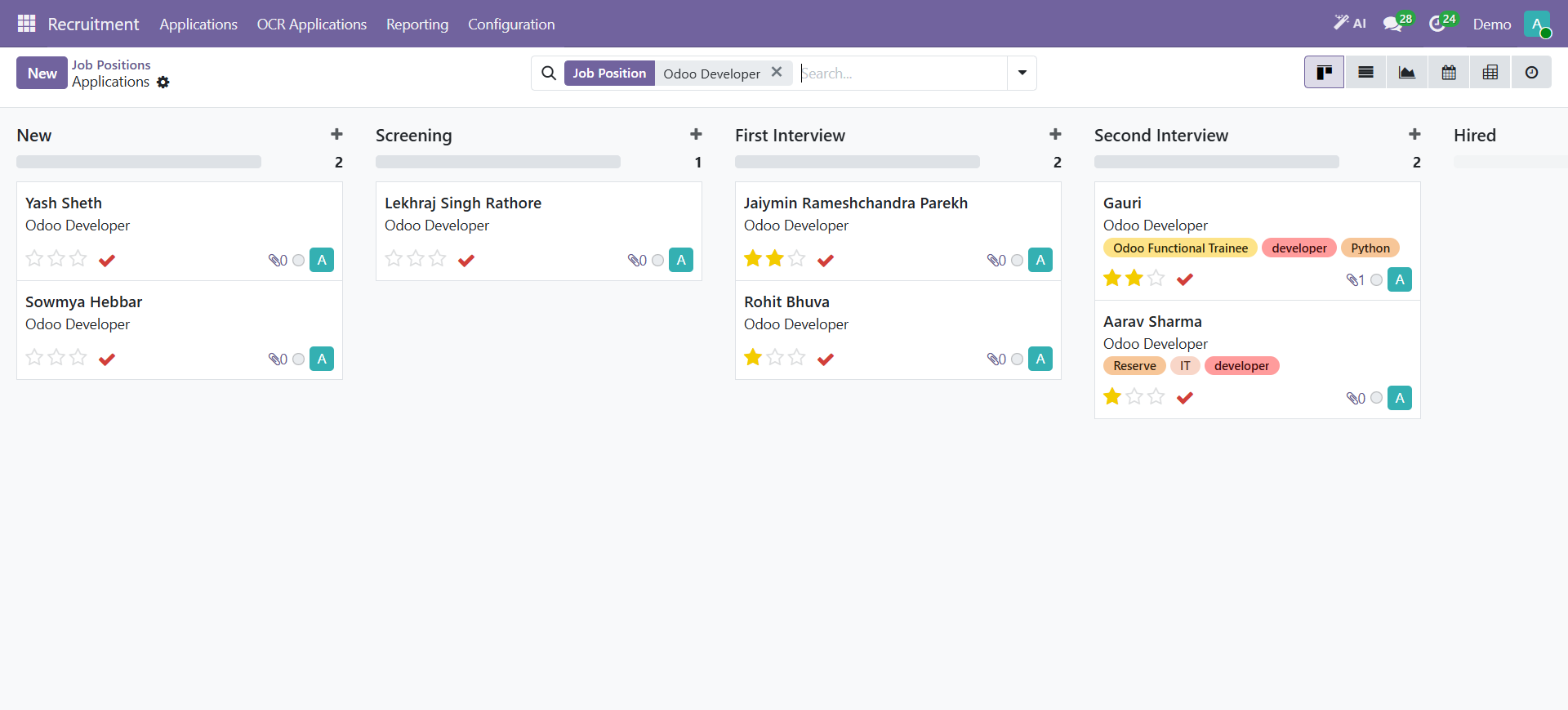
A visual pipeline can help recruiters and managers understand where candidates are:
New → Screening → Shortlisted → Submitted → Interview → Selected → Placed
11. Candidate History
A candidate shouldn't become a completely new record every time they're considered for another vacancy. Previous submissions, interviews, communication and outcomes can provide valuable context.
12. CRM & Business Development
Recruitment agencies also need to win and retain clients. CRM capabilities can support leads, opportunities, contacts, follow-ups and business-development activity. This is why ATS + CRM can be particularly valuable for recruitment agencies — see how CRM for recruitment agencies works in practice.
13. Recruitment Reporting
- ✓Managers should be able to understand activity and performance without manually combining multiple spreadsheets — one of the clearest signs it's time to outgrow spreadsheets. Useful reporting can include:
- ✓Open requirements
- ✓Candidate pipelines
- ✓Submissions
- ✓Interviews
- ✓Placements
- ✓Recruiter activity
- ✓Business performance
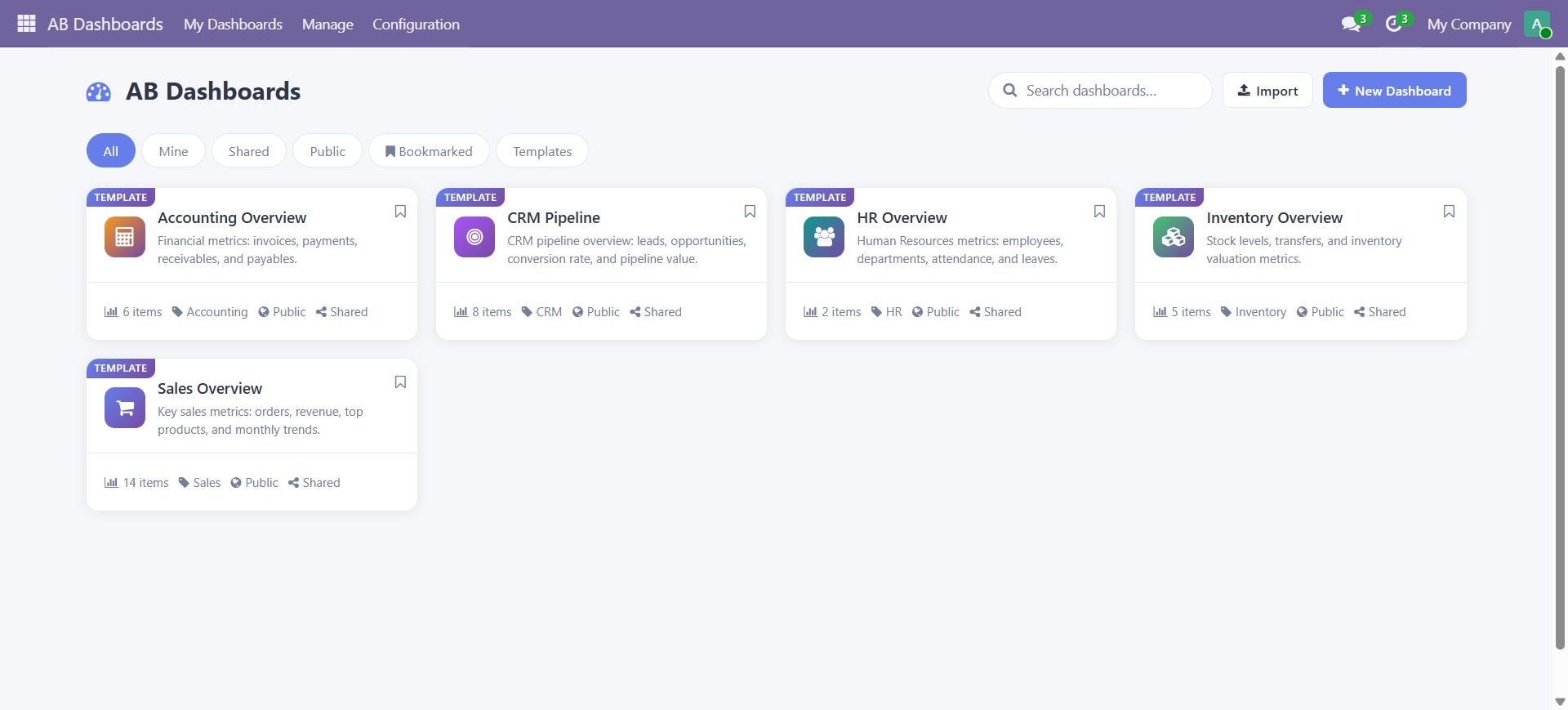
- ✓See how HireBeans covers this with built-in dashboards and analytics, tied to the recruitment agency KPIs that matter most.
14. Invoicing & Revenue Visibility
- ✓The recruitment journey doesn't necessarily end at placement. For an agency, it can continue:
- ✓Client → Requirement → Candidate → Placement → Invoice
- ✓Connecting recruitment activity with invoicing can give agencies better visibility into the commercial side of the business.
15. Automation & AI
Modern recruitment platforms are increasingly adding automation and AI for tasks such as candidate matching, resume processing, content assistance, workflow automation and recruitment insights. Recent research is also exploring AI-assisted candidate assessment and matching.
The important point is that AI should assist recruiters, not replace human judgment in important hiring decisions. See how HireBeans approaches this with AI-assisted recruiting and AI-powered CV parsing.
It's Not About Having the Most Features
- ✓A long feature list doesn't automatically make recruitment software useful. The better question is:
- ✓Can the features work together around your actual recruitment workflow?
- ✓For an agency, that workflow might look like:
- ✓CRM → Client → Requirement → Candidate → Submission → Interview → Placement → Invoice → Reporting
- ✓That's a connected recruitment operation — not a collection of disconnected tools.
How HireBeans Fits In
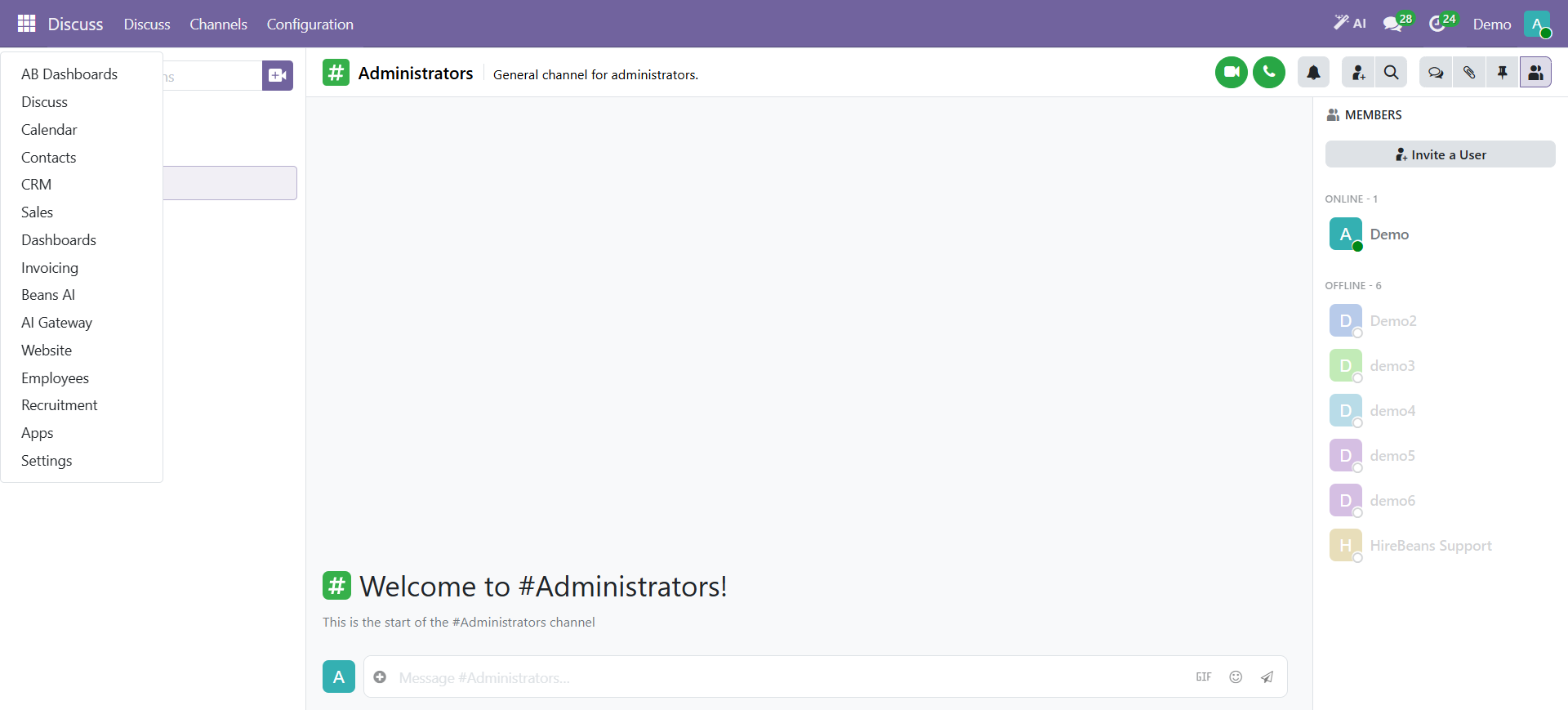
- ✓HireBeans is designed around bringing key recruitment and business activities together, including recruitment, CRM, calendar, invoicing, dashboards and AI capabilities within the broader agency workflow.
- ✓The objective isn't simply to give recruiters more features. It's to give them a more connected way to manage:
- ✓Clients + Candidates + Requirements + Recruitment + Business Operations
Before Choosing Recruitment Software, Ask These 5 Questions
- ✓1. Can it manage both candidates and clients?
- ✓2. Can recruiters connect candidates to specific vacancies and submissions?
- ✓3. Can the agency track the recruitment journey from requirement to placement?
- ✓4. Can management see recruitment and business performance?
- ✓5. Can the platform grow with the agency?
- ✓If the answer is yes, you're looking beyond a basic applicant tracker. You're looking for a recruitment business platform.